
NHIS Teaching Methodology: Learning Beyond Textbooks

In today’s fast-changing world, education must go beyond memorization and exams. At New Hardwick Indian School (NHIS), learning is designed to be meaningful, engaging, and future-ready. Our teaching methodology focuses on nurturing curiosity, creativity, and confidence—helping every child grow academically, emotionally, and socially.
At NHIS, we strongly believe that true education happens when students experience learning, not just read about it.
“Education at NHIS is not about memorizing facts, it’s about shaping minds, building character, and preparing children for life.”
A Child-Centric Learning Approach
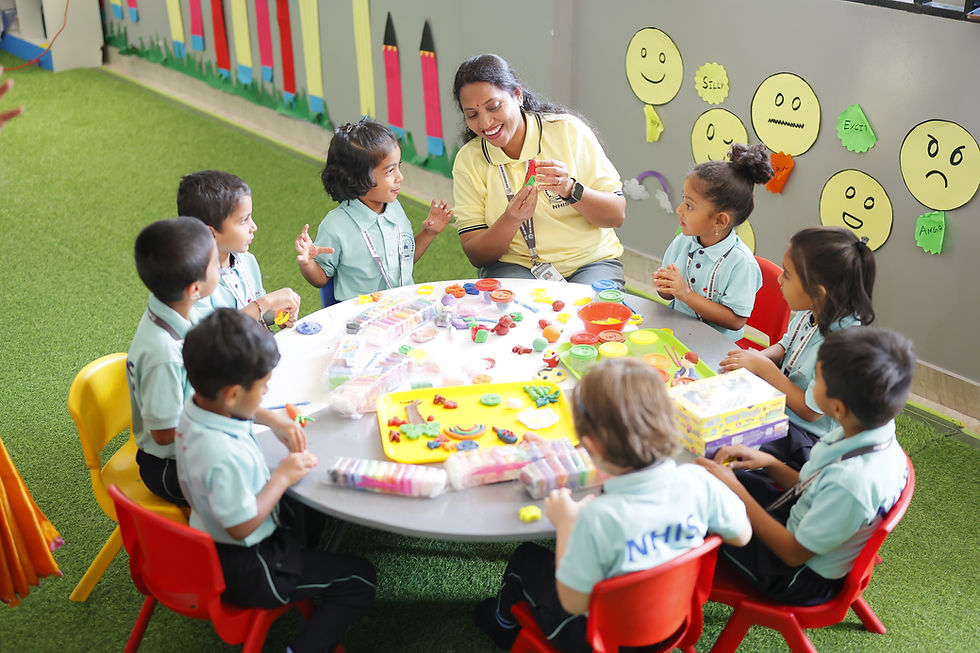
Every child is unique. NHIS follows a student-centered teaching model that respects individual learning styles and abilities. Teachers act as facilitators, guiding students to explore concepts through discussion, activities, and real-life applications rather than one-way lectures.
This approach encourages:
Independent thinking
Active participation
Better concept retention
Increased self-confidence
Concept-Based Learning Instead of Rote Memorization
Rather than focusing on mugging up answers, NHIS emphasizes conceptual clarity. Subjects are taught using examples, experiments, storytelling, and hands-on activities that help students understand why and how things work.
This ensures students:
Develop strong foundations
Apply knowledge practically
Perform better academically
Build critical thinking skills
NHIS - KK Apple Kids Graduation
Experiential & Activity-Based Education
Learning becomes powerful when students do. NHIS integrates:
Project-based learning
Classroom experiments
Group discussions
Role plays and presentations
Outdoor learning sessions
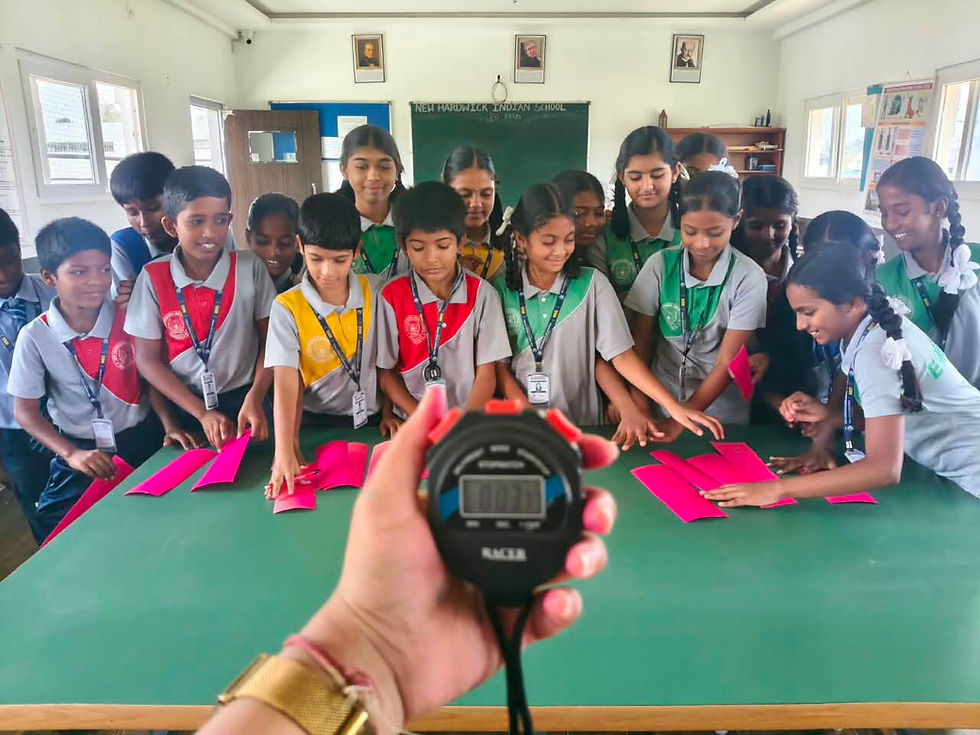
These methods transform classrooms into vibrant learning spaces where children collaborate, innovate, and express themselves freely.
Real-World Exposure
To bridge the gap between textbooks and reality, NHIS introduces students to real-life experiences through:
Educational field trips
Guest sessions by professionals
Community engagement activities
Environmental awareness programs
Such exposure builds practical knowledge and helps students understand their role in society.
Holistic Development of Every Child
Academics are only one part of education. NHIS strongly focuses on holistic development, nurturing:
Emotional intelligence
Communication skills
Leadership qualities
Physical fitness
Creativity through arts and sports
Yoga, music, dance, storytelling, and sports are integral parts of the curriculum, helping children discover their talents and interests.
NHIS Teaching Methodology: Learning Beyond Textbooks
Smart Classrooms & Modern Teaching Tools
NHIS blends traditional values with modern technology. Smart classrooms, digital resources, visual learning aids, and interactive teaching tools make lessons engaging and easier to understand.
Technology is used thoughtfully to enhance learning—not replace teachers.
Strong Teacher–Student Connection
At NHIS, teachers build meaningful relationships with students, creating a safe and encouraging environment. Regular assessments, personalized attention, and parent-teacher interactions ensure every child receives the support they need to thrive.
Preparing Students for Life, Not Just Exams
The ultimate goal of NHIS is to prepare children for life. Along with academics, students are trained in:
Problem-solving
Decision-making
Teamwork
Time management
Moral values
This balanced approach shapes confident individuals ready to face future challenges.
At New Hardwick Indian School, education is a journey of discovery. Our teaching methodology empowers students to think, explore, and grow—far beyond textbooks and classrooms. If you’re looking for a school that focuses on quality education, holistic development, and future-ready learning, NHIS stands as a trusted choice in Bangalore.
Poorna Krishnamurthy
Secretary | Academic Excellence Head
#NHIS #NewHardwickIndianSchool #LearningBeyondTextbooks #HolisticEducation #ChildCentricLearning #BangaloreSchools #QualityEducation #ExperientialLearning #FutureReadyStudents #SmartClassrooms #ConceptBasedLearning


Comments